
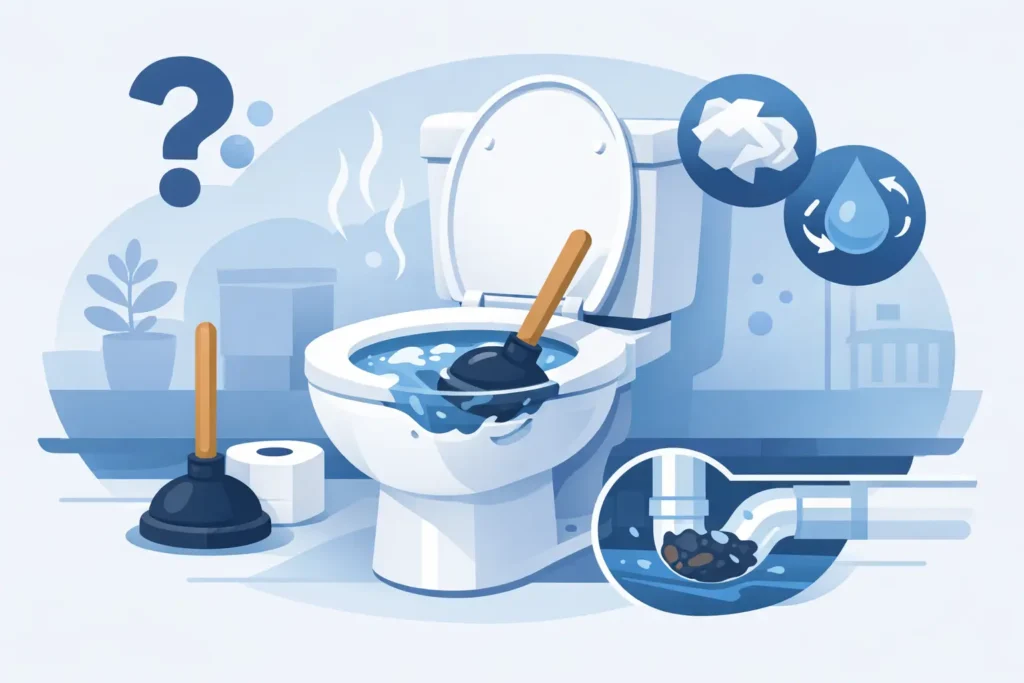
A toilet that clogs once in a while is frustrating. A toilet that clogs every week usually means something is wrong with the toilet, the drain line, or what is being flushed. If you have been asking, “why is my toilet always clogging,” the answer is usually not bad luck. It is a plumbing issue with a real cause, and the sooner you find it, the easier it is to prevent backups, overflow, and repeated repair costs.
In homes and commercial buildings across Virginia Beach, Norfolk, and Chesapeake, recurring toilet clogs tend to come from the same handful of problems. Some are simple. Others point to a larger drainage issue that should be handled by a licensed plumber before it turns into water damage or a sewer backup.
Why is my toilet always clogging? The most common causes
The first place to look is what is going into the toilet. Too much toilet paper is still one of the most common reasons for repeat clogs, especially in older homes with less forgiving drain lines. “Flushable” wipes are another major cause. Even when packaging says they are safe to flush, they do not break down like toilet paper and can collect inside the trap or farther down the line.
Low-flow toilets can also be part of the problem. Some older low-flow models simply do not create enough pressure to move waste effectively, especially if there is partial buildup inside the trapway. If the toilet needs two flushes to clear the bowl even when there is not much in it, that is a sign the flush performance may be weak.
Another common issue is a partial blockage in the toilet trap. The trap is the curved section built into the fixture. Small objects, heavy paper buildup, hygiene products, or children’s toys can get stuck there and reduce flow. In that case, the toilet may still flush sometimes, but not consistently.
The problem may also be beyond the toilet itself. A clog in the branch drain or main sewer line can cause one toilet to back up first, especially if it is on the lowest level or closest to the obstruction. If other fixtures are draining slowly, gurgling, or backing up, the issue is likely in the drain system rather than the toilet alone.
Signs the problem is bigger than a simple clog
A basic clog usually responds to a plunger and then stays clear. A recurring clog acts differently. You may notice the bowl filling too high before draining slowly. You may hear bubbling sounds in the toilet when a sink drains or when the washing machine runs. In some cases, the toilet flushes, but the water level seems inconsistent from day to day.
Those details matter because they can point to a venting or sewer line problem. Plumbing vents allow air into the system so wastewater can flow properly. If a vent is blocked by debris, nests, or buildup, the toilet can struggle to flush and may clog more often. This is less common than paper buildup or drain obstruction, but it does happen.
Tree root intrusion is another issue property owners in older neighborhoods sometimes face. Roots can enter underground sewer lines through small cracks or joints, then trap waste and paper over time. The result is a clog that keeps coming back no matter how many times it is snaked at the fixture.
Why older toilets clog more often
Not every toilet is designed equally. Older toilets may have narrow trapways, weak flushing power, or worn internal parts that affect performance. A toilet can still fill with water and appear normal while failing to generate enough force to carry waste through the drain.
Mineral buildup is another factor, especially in fixtures that have been in place for years. Hard water deposits can reduce the flow through rim jets or internal passages, which weakens the flush. That kind of problem often develops slowly, so homeowners get used to it until the clogging becomes too frequent to ignore.
There is also the possibility that the toilet was never the right fit for the building. In some commercial settings or busy households, a builder-grade toilet may not keep up with the level of use. Repeated clogging in that case may not be about misuse at all. It may be a fixture performance issue.
What you can try before calling a plumber
If the toilet is actively clogged, start with a flange plunger, not a flat sink plunger. A proper seal makes a big difference. A few firm plunges are usually enough for a simple blockage caused by paper or waste.
If plunging does not solve it, a toilet auger can help clear a blockage in the trap. This tool is made for toilets and is safer than using a standard drain snake, which can scratch or crack the porcelain if handled incorrectly. If you suspect someone flushed a small object, an auger may reach it.
It also helps to stop using any wipes, paper towels, feminine hygiene products, or excessive toilet paper right away. In multi-person households or commercial restrooms, recurring clogs often continue because the original cause never changed.
What you should not do is keep flushing in hopes that the clog will work itself out. That is how water ends up on the floor. You should also avoid harsh chemical drain cleaners. They rarely solve toilet clogs effectively, and they can damage plumbing components or create a safety issue for whoever has to service the line next.
When the answer to “why is my toilet always clogging” is the drain line
If the toilet clogs repeatedly even after plunging or augering, the next likely cause is a partial drain line blockage. This is especially true if the toilet flushes for a short period after clearing and then starts acting up again.
Drain line clogs build over time. Grease, paper, scale, debris, and foreign objects can narrow the pipe and slow waste flow. In commercial properties, frequent restroom use can expose these issues faster. In homes, they may show up as intermittent problems that gradually get worse.
A professional inspection can determine whether the problem is in the toilet, the branch line, the vent, or the main sewer line. That matters because the right solution depends on the source. A toilet replacement will not fix a damaged sewer line, and repeated snaking may not solve a line with heavy buildup if hydro jetting or repair is what is really needed.
Why recurring toilet clogs should not be ignored
Some plumbing problems stay inconvenient. Others get expensive. A toilet that keeps clogging can lead to overflow, floor damage, bad odors, unsanitary conditions, and strain on the rest of the plumbing system. In a business, it can also disrupt operations and create an issue for staff and customers.
There is also the risk of a hidden sewer problem getting worse. A partial obstruction can become a full blockage with very little warning. When that happens, wastewater may come back through the lowest fixture in the building.
This is why recurring clogs are worth taking seriously, even if the toilet eventually goes down each time. Plumbing problems rarely stay in the same place. They usually move from minor warning signs to larger repair calls.
When to call a licensed plumber
If your toilet clogs more than occasionally, if plunging no longer works, or if other drains are showing symptoms too, it is time for a professional diagnosis. The same goes for toilets that gurgle, toilets that flush weakly without an obvious clog, or any situation where water rises close to overflowing.
A licensed plumber can identify whether you are dealing with a fixture issue, a blockage in the toilet trap, a venting problem, or a drain or sewer line obstruction. That saves time and prevents guesswork. It also helps you avoid spending money on the wrong fix.
For property owners in Hampton Roads, fast service matters because toilet problems do not stay contained for long. JR Plumbing & Mechanical Services LLC helps homeowners and businesses across Virginia Beach, Norfolk, and Chesapeake clear toilet blockages, inspect drain lines, and address the underlying cause instead of treating the same symptom over and over.
If you have been wondering why your toilet is always clogging, the good news is that the answer is usually identifiable and fixable. The key is not to normalize the problem. A toilet should flush reliably, and when it does not, that is your plumbing system asking for attention before a small issue turns into a bigger one.