
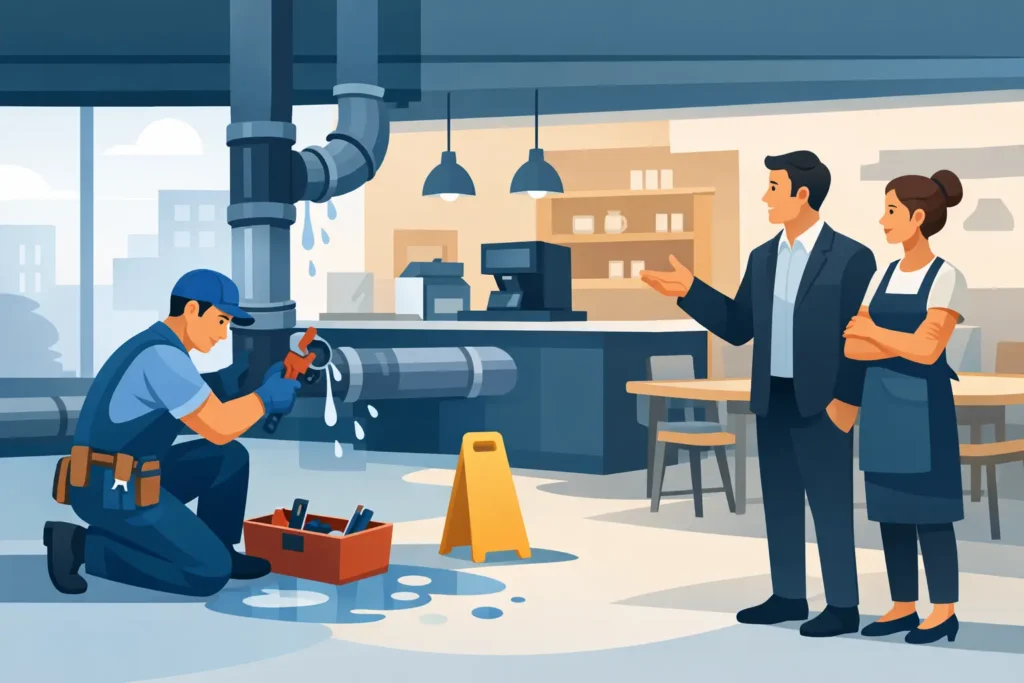
A restroom closure at 10 a.m. can turn into lost sales by noon. A drain backup in a restaurant kitchen can stop operations even faster. That is why commercial plumbing repair is not just about fixing pipes – it is about protecting business hours, employee safety, and your reputation.
For property managers, restaurant owners, office administrators, and facility teams across Hampton Roads, plumbing problems rarely happen at a convenient time. A small leak behind a wall can quietly damage finishes for weeks. A clogged main line can create an immediate health concern. The right response is fast, but it also needs to be accurate. Temporary patches may get you through the day, but they often lead to repeat calls, higher costs, and more disruption.
What commercial plumbing repair really involves
Commercial plumbing systems are different from residential systems in both scale and demand. A business may have multiple restrooms, breakrooms, water heaters, sewer connections, floor drains, and specialized fixtures all operating at once. In restaurants, medical offices, retail centers, and multi-tenant buildings, plumbing usage is heavier and the margin for downtime is smaller.
Commercial plumbing repair often includes fixing leaking supply lines, repairing damaged drain lines, clearing blockages, replacing worn fixtures, correcting pressure issues, addressing sewer odors, and restoring hot water systems. In some buildings, the work also involves identifying code concerns or aging components before they create a larger failure.
That matters because the visible symptom is not always the true problem. A recurring toilet overflow may point to a deeper drain issue. Low water pressure in one area may be tied to a hidden leak or buildup in older piping. A reliable repair starts with proper diagnosis, not guesswork.
Common signs your business needs commercial plumbing repair
Some plumbing failures are impossible to ignore. Others build slowly and cost more because they are easy to postpone. If sinks drain more slowly than usual, toilets clog repeatedly, water bills rise without explanation, or you notice stains, odors, or inconsistent hot water, it is time to have the system checked.
In commercial spaces, even minor symptoms deserve attention. A small leak in a retail space may become flooring damage. A blocked restroom line in an office can affect employees and visitors. In restaurants and food service settings, drainage or grease-related issues can quickly interfere with health and sanitation standards.
Noise can also be a warning sign. Banging pipes, gurgling drains, and hissing near supply lines often point to pressure problems, trapped air, partial blockages, or failing valves. These issues do not always require major work, but they do require a professional inspection before they spread.
Why fast repairs matter more in commercial buildings
In a home, a plumbing issue is frustrating. In a business, it can interrupt revenue. That is the biggest difference.
A leak in a commercial property can affect customers, staff, tenants, inventory, and adjacent units. A sewer backup can force temporary closure. A failed water heater in a multi-restroom facility creates immediate complaints and operational strain. Even when the repair itself is straightforward, delay makes the impact worse.
Speed, however, should not mean rushing into the wrong fix. The best commercial plumbing repair balances urgency with long-term value. Sometimes that means clearing a blockage and then scheduling a camera inspection to confirm line condition. Sometimes it means replacing a repeatedly failing fixture instead of continuing to repair it. The right choice depends on the age of the system, the cost of downtime, and how often the problem returns.
The most common commercial plumbing problems
Drain and sewer line issues are some of the most frequent service calls in commercial properties. Heavy daily use, grease buildup, foreign objects, and aging lines can all lead to backups. Hydro jetting may be the right solution in some cases, especially when repeated stoppages point to buildup rather than a single obstruction. In other situations, a localized repair or line replacement is the better answer.
Leaks are another major concern. They can show up under sinks, in supply lines, around toilets, behind walls, or under slab areas. The trade-off is simple: a visible leak is easier to find, but hidden leaks often cause more damage before anyone notices. Professional leak detection helps reduce unnecessary wall or floor opening and gets repairs moving in the right direction.
Fixture failures also create avoidable headaches. Running toilets, broken faucets, failed flush valves, and malfunctioning commercial sinks waste water and frustrate building users. These repairs may seem minor compared to a sewer issue, but across a busy facility they add up quickly in maintenance calls and utility costs.
Water heater and heating-related plumbing problems can be just as disruptive. Offices, restaurants, salons, and service businesses often rely on consistent hot water throughout the day. If recovery time slows or the system stops producing hot water, business operations can be affected immediately. In some cases a repair is enough. In others, an aging unit may be costing more to keep than to replace.
Choosing repair over replacement – and when not to
Not every plumbing problem requires a full replacement. In fact, many commercial plumbing issues can be handled effectively with targeted repairs if the system is otherwise sound. Replacing a valve, section of pipe, fixture, or drain component may restore performance without the expense of larger work.
But there are times when repeated repairs stop making financial sense. If the same line has failed more than once, if parts are obsolete, or if corrosion is widespread, replacement may be the more practical option. The cheapest repair today is not always the least expensive choice over the next year.
This is where transparent recommendations matter. Business owners and property managers need a clear picture of what failed, what can be repaired, what should be monitored, and what may need to be planned for next. Good service is not about pushing the biggest job. It is about giving you the information to make the right decision for your building and budget.
What to expect from a professional commercial plumbing repair service
Commercial clients usually want the same three things: fast response, clear pricing, and repairs that hold up. A professional service visit should start with a careful assessment of the issue, including how it affects operations, safety, and any nearby plumbing systems.
From there, the repair plan should be straightforward. You should know whether the issue can be fixed the same day, whether parts need to be ordered, and whether there are any code or access considerations. In occupied buildings, communication matters as much as the repair itself. Work may need to be coordinated around business hours, tenant access, or customer traffic.
Licensed and insured plumbing work is especially important in commercial settings because mistakes carry larger consequences. Improper repairs can lead to repeat failures, water damage, health concerns, and compliance issues. Experienced technicians understand how to work efficiently while still protecting the building, the people in it, and the system as a whole.
For businesses in Virginia Beach, Norfolk, and Chesapeake, local response also makes a difference. A contractor who understands the area, the building types, and the urgency of commercial service calls can usually move faster and communicate more clearly. That is part of why many local businesses rely on JR Plumbing & Mechanical Services LLC for dependable service when timing matters.
Preventing the next plumbing emergency
The best commercial plumbing repair is the one that catches a problem before it becomes an emergency. Preventive maintenance does not eliminate every issue, but it can reduce sudden failures and help extend the life of your system.
Routine inspections, drain cleaning, leak checks, fixture testing, and water heater maintenance can reveal wear before it leads to downtime. This is especially valuable in older buildings and high-use properties where plumbing systems work harder every day. Restaurants, multi-tenant spaces, and busy offices typically benefit the most because minor issues escalate faster in those environments.
There is no one-size-fits-all maintenance schedule. It depends on the age of the property, the type of business, and how heavily the system is used. A small office may only need occasional preventive service. A food service location may need more regular drain and grease-related attention. The goal is simple: fewer surprises, less disruption, and better control over repair costs.
When plumbing issues affect your business, waiting rarely makes things easier. A quick, professional evaluation can protect your property, your schedule, and the people who rely on your building every day.