
A higher water bill with no clear reason usually means one thing – water is going somewhere it should not. That is where professional leak detection services matter. For homeowners, property managers, and business owners in Hampton Roads, finding a leak early can mean the difference between a straightforward repair and expensive damage to walls, floors, foundations, or daily operations.
Not every leak is obvious. Some show up as damp drywall, a musty smell, or a soft spot under flooring. Others stay hidden behind walls, under slabs, or in underground lines while quietly wasting water and driving up utility costs. In commercial buildings, a small plumbing leak can also interrupt tenants, staff, customers, and equipment. The challenge is not just fixing the pipe. It is finding the exact source without tearing apart more of the property than necessary.
What leak detection services actually do
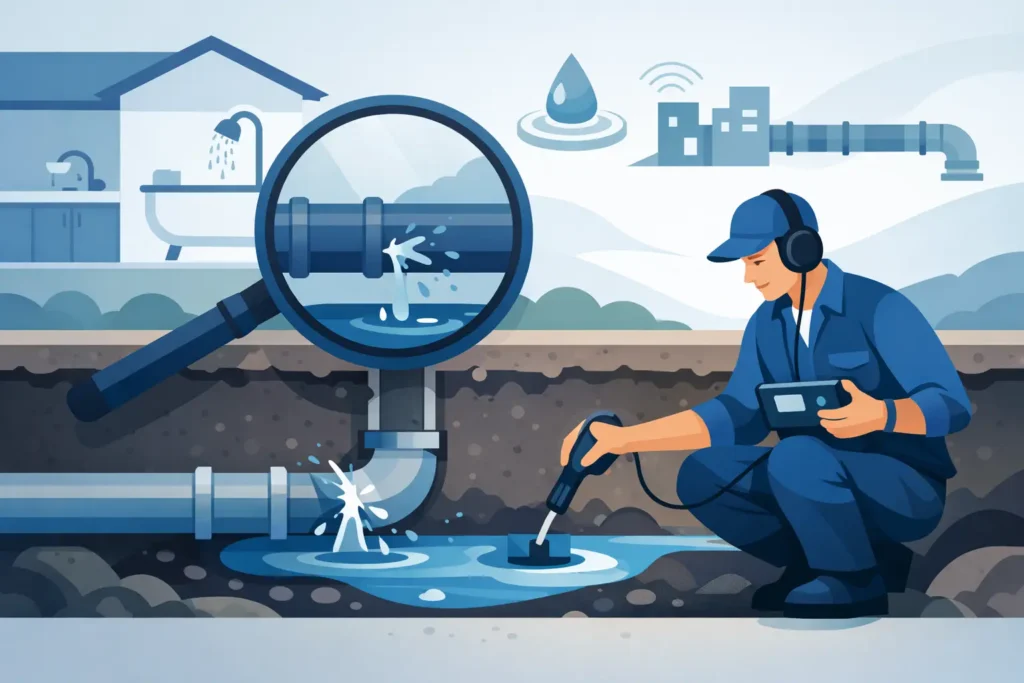
Leak detection services are designed to locate hidden water leaks with as little disruption as possible. Instead of guessing where the problem starts, a trained plumber uses experience, testing methods, and specialized equipment to narrow it down and confirm the source.
That matters because leaks do not always appear where they originate. Water can travel along framing, collect under flooring, or show up in a ceiling below the actual break. A stain in one room may come from a bathroom, supply line, drain line, or appliance connection somewhere else. Without proper diagnosis, repairs can miss the real issue and leave the leak active.
A professional assessment also helps separate plumbing leaks from other moisture problems. Condensation, roof issues, HVAC drainage problems, and groundwater intrusion can look similar at first. The right plumber knows how to tell the difference before recommending the next step.
Signs you may need leak detection services
Some leaks announce themselves quickly. Many do not. If you notice a sudden increase in your water bill, reduced water pressure, mildew odor, bubbling paint, warm spots on the floor, or water stains that keep returning, it is time to take a closer look.
You may also hear water running when no fixtures are on. In other cases, you might see pooling around the water heater, base of a toilet, or outside near the foundation. For property managers and commercial facilities, recurring moisture complaints, unexplained water use, or damage in multiple units can point to a hidden system issue rather than an isolated repair.
There is some gray area here. Not every stain is an active leak, and not every bill increase means a pipe has failed. Seasonal irrigation use, aging fixtures, and changes in occupancy can affect water consumption. Still, if the signs do not add up, a targeted inspection is usually more affordable than waiting for more evidence.
Common places hidden leaks happen
In residential properties, hidden leaks often develop behind bathroom walls, under kitchen sinks, around water heaters, in crawl spaces, and beneath slab foundations. Older homes can be especially vulnerable if supply lines, shutoff valves, or drain systems have started to wear out.
In commercial buildings, leaks may occur in restroom groups, break rooms, mechanical rooms, tenant spaces, and main service lines. The larger the property, the more important accurate detection becomes. A wrong assumption can waste maintenance time, disrupt operations, and increase repair costs.
Outdoor leaks are also common. Underground water lines can fail from age, shifting soil, corrosion, or root intrusion. These leaks may not be visible right away, but they can create wet patches in the yard, low pressure inside the building, or constant meter movement even when no water is being used.
How professional leak detection works
The first step is usually a conversation about symptoms. A plumber will ask what you have noticed, when it started, and whether the issue is constant or intermittent. That background helps narrow the possibilities before any testing begins.
From there, the inspection may include visual checks, pressure testing, meter testing, fixture isolation, and noninvasive detection methods. Depending on the property and suspected leak location, the plumber may use listening equipment, moisture detection tools, or thermal imaging to trace the source more accurately.
The goal is not to make the process feel technical. The goal is to avoid guesswork. If a leak is behind a wall, under concrete, or somewhere hard to access, a careful diagnosis can reduce unnecessary demolition and focus the repair where it belongs.
It is worth noting that some leaks are straightforward and others take more time to confirm. Intermittent leaks, multi-unit plumbing systems, and older commercial layouts can be more complex. A reliable plumber will explain what has been found, what still needs to be confirmed, and what repair options make sense based on the condition of the system.
Why fast detection matters
Water damage does not stay limited to the pipe. It affects drywall, cabinetry, flooring, insulation, and sometimes electrical areas. Over time, moisture can contribute to mold growth, wood damage, and structural concerns. In businesses, leaks can also affect inventory, customer areas, employee spaces, and scheduled operations.
Early leak detection services help control that risk. Even when the repair itself is not major, delay can turn it into one. A pinhole leak in a supply line may seem minor at first, but if it continues behind a wall for weeks, the cleanup can cost much more than the plumbing work.
There is also the issue of water waste. Hidden leaks can add up quickly on utility bills, especially in larger buildings or properties with continuous line pressure. For landlords and facility managers, that means avoidable expenses month after month until the cause is found.
Residential and commercial leak detection needs are different
For homeowners, the main concern is usually protecting the home and restoring normal use fast. You want to know where the leak is, whether it has caused damage, and how quickly it can be repaired. Clear communication matters because most people are not dealing with plumbing issues every day.
For commercial properties, the stakes often include downtime, tenant communication, code compliance, and scheduling around business hours. A restaurant, office, retail space, or multi-unit building may need a more coordinated approach. In those situations, speed matters, but so does planning the repair in a way that limits disruption.
That is why experience matters. A plumber who understands both residential and commercial systems can adjust the approach based on the building, access, and urgency instead of treating every leak the same way.
Choosing the right company for leak detection services
When you need help with a hidden leak, credentials and responsiveness should come first. Look for a licensed and insured plumbing company that can explain its process clearly, provide straightforward pricing, and respond quickly when water damage is a concern.
Local experience also makes a difference. Homes and commercial buildings in Virginia Beach, Norfolk, and Chesapeake can vary widely in age, layout, and plumbing configuration. A company that works across Hampton Roads is more likely to recognize common system issues and move efficiently from detection to repair.
It also helps to choose a team that can handle more than just the diagnostic step. Once the leak is located, you want a practical repair plan, not a handoff that slows everything down. JR Plumbing & Mechanical Services LLC takes that full-service approach, helping customers move from problem detection to repair with clear communication and dependable service.
What to do if you suspect a leak
If you think you may have a hidden plumbing leak, do not wait for visible damage to spread. Shut off the water if the leak appears active or severe, especially if you see pooling, ceiling saturation, or damage near electrical areas. If the problem is less obvious, monitor your water meter, note where symptoms are appearing, and schedule a professional inspection.
Try not to assume the source based on what is visible. The spot where water appears is often not the place where the leak begins. A targeted inspection can save time, reduce repair costs, and prevent unnecessary damage to the property.
The best time to address a leak is before it becomes an emergency. If something feels off in your home or building, getting answers early is often the most affordable step you can take.