
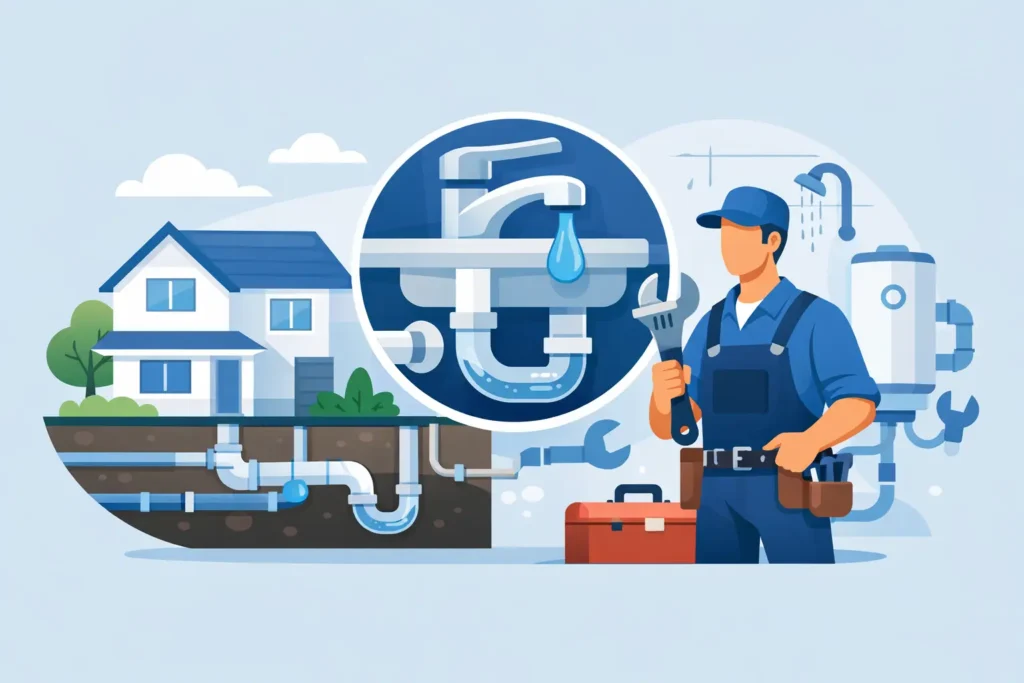
A slow drain rarely stays just a slow drain. The same goes for a dripping faucet, a toilet that keeps backing up, or a water heater that suddenly stops keeping up with your household. If you have ever wondered what is residential service plumbing, the short answer is this: it is the repair, maintenance, inspection, and installation work that keeps a home’s plumbing system safe, functional, and up to code.
For homeowners, residential service plumbing is the day-to-day side of the trade. It covers the issues that affect comfort, sanitation, water use, and property protection inside and around a house. Unlike large new construction plumbing, service plumbing is focused on existing homes and real-life problems that need timely solutions.
What Is Residential Service Plumbing in Simple Terms?
Residential service plumbing refers to professional plumbing work performed in homes, townhouses, condos, and similar living spaces. That can mean fixing a hidden leak behind a wall, replacing an old water heater, clearing a blocked drain, repairing a broken sewer line, or installing a new faucet after the old one starts leaking.
The goal is not just to get water flowing again. Good service plumbing also protects the structure of the home, helps prevent water damage, supports health and safety, and makes sure the plumbing system is operating efficiently.
In practical terms, this is the kind of plumbing most homeowners need at some point. It is usually scheduled because something has failed, something is wearing out, or something needs to be upgraded. Sometimes it is urgent. Sometimes it is preventive. Either way, it is hands-on service work in an occupied home.
What Residential Service Plumbing Usually Includes
Most people think plumbing starts and ends with sinks and toilets, but residential service plumbing covers much more. It often includes leak detection and repair, drain cleaning, toilet repair or replacement, faucet and fixture installation, pipe repair, water line work, sewer line troubleshooting, garbage disposal service, water heater repair or replacement, and plumbing inspections.
In many homes, plumbing service can also overlap with gas and mechanical work, especially when a water heater, boiler, or heating system is involved. That matters because the right repair is not always obvious from the symptom. A lack of hot water, for example, might point to the heater itself, a gas supply issue, sediment buildup, or a failed valve.
That is one reason professional diagnosis matters. The visible problem is not always the actual source of the problem.
Service Plumbing vs. New Construction Plumbing
A helpful way to understand what is residential service plumbing is to compare it with new construction work.
New construction plumbing is installed during the building of a home or major renovation. Everything is open, accessible, and planned from the beginning. Service plumbing is different. The plumber works within an existing home, often with finished walls, aging materials, limited access, and systems that have been modified over time.
That makes service work more diagnostic and often more complex than it sounds. A clogged kitchen drain may be caused by grease buildup close to the sink, or it may be tied to a deeper issue in the branch line. A leak under a slab may first show up as high water bills or warm spots on the floor. The job is not just repair. It is figuring out what is happening and choosing the right fix without creating unnecessary disruption.
Why Homeowners Call for Residential Plumbing Service
Most service calls fall into one of three categories: something broke, something is acting up, or something needs to be replaced before it fails.
The first category is obvious. Burst pipes, overflowing toilets, no hot water, and sewer backups need immediate attention. The second category is easier to ignore, but often just as important. Low water pressure, recurring clogs, strange pipe noises, and slow leaks can point to larger issues developing in the system. The third category is where preventive maintenance becomes valuable. Older water heaters, corroded supply lines, worn shutoff valves, and aging fixtures may still work today while being close to failure.
It depends on the age of the home, the pipe material, local water conditions, and how the system has been maintained. In older homes around Hampton Roads, for example, service plumbing may involve replacing outdated piping, correcting previous repair work, or addressing wear caused by years of daily use.
Common Problems Residential Service Plumbers Handle
Leaks are among the most frequent service calls, and for good reason. Even a small leak can damage drywall, flooring, cabinets, and framing over time. Some leaks are easy to spot under a sink. Others are hidden in walls, crawl spaces, or underground water lines.
Drain and toilet blockages are another major part of residential service plumbing. A simple clog may be cleared quickly, but repeated backups can signal a deeper blockage, root intrusion, or pipe damage. In those cases, a temporary fix is not enough.
Water heater issues are also common. If your hot water runs out too fast, looks rusty, smells odd, or does not heat properly, the problem may be repairable. But if the unit is older or leaking from the tank itself, replacement is often the smarter long-term move.
Fixture replacement is another routine service. Faucets, toilets, shower valves, and shutoff valves all wear out. Replacing them can improve performance, reduce water waste, and prevent future leaks. This may sound minor, but poor installation can lead to hidden damage later, especially around supply connections and seals.
What to Expect During a Residential Plumbing Service Visit
A professional service visit should start with a clear assessment. The plumber listens to the problem, inspects the affected area, and checks for related issues that may not be visible at first glance. Once the cause is identified, the next step is explaining the repair options and pricing in a way that makes sense.
This is where transparency matters. Some problems have a straightforward fix. Others come with choices. A damaged section of pipe might be spot repaired, but if the surrounding piping is failing too, a larger replacement may save money over time. A clogged line may clear with standard drain cleaning, or it may require hydro jetting if buildup is severe.
Good service means helping the customer understand those trade-offs. The cheapest option today is not always the most affordable option over the next year.
Why Licensed Residential Plumbing Service Matters
Home plumbing affects water quality, drainage, sanitation, gas connections, and in some cases heating equipment. Poor workmanship can create leaks, mold risk, code violations, and safety hazards. That is why licensed and insured service matters.
A trained residential service plumber knows how to diagnose the issue, complete the work correctly, and make sure the repair meets applicable standards. That is especially important for water heaters, gas lines, sewer work, and any repair hidden behind walls or under floors.
It also matters for resale and insurance issues. If a repair fails because it was done improperly, the cost can spread far beyond the original problem.
When a Small Plumbing Issue Stops Being Small
One of the biggest mistakes homeowners make is waiting too long. Plumbing problems tend to spread. A minor leak can turn into cabinet damage and subfloor rot. A slow drain can become a full backup. A struggling water heater can fail without warning.
That does not mean every issue is an emergency. It does mean early service is usually less disruptive and less expensive than delayed service. If you notice unexplained water stains, higher water bills, musty odors, gurgling drains, reduced hot water, or recurring clogs, it is worth having the system checked.
For homeowners in Virginia Beach, Norfolk, and Chesapeake, fast local response can make a real difference when water is involved. Timing matters.
How Preventive Plumbing Service Saves Money
Residential service plumbing is not only about repairs. Preventive maintenance is part of the picture too. Routine inspections can catch worn connections, corroded pipes, failing valves, and water heater problems before they become major repair bills.
This is especially useful in older homes, rental properties, and homes with heavy water use. Preventive service can also help identify whether a recurring problem is isolated or part of a larger system issue. If a toilet clogs once, that may be simple. If several fixtures drain slowly at the same time, the problem is probably deeper in the line.
A dependable local company like JR Plumbing & Mechanical Services LLC can help homeowners make practical decisions based on the condition of the system, not guesswork.
The Real Value of Residential Service Plumbing
At its core, residential service plumbing is about keeping your home livable and protected. It covers the everyday systems you rely on without thinking about them until something goes wrong. Water in, waste out, hot water when you need it, fixtures that work properly, and pipes that do not damage the structure around them.
The value is not just in fixing what is broken. It is in getting the right fix, at the right time, from someone who understands how home plumbing systems behave in the real world. If something in your home feels off, trust that instinct. Plumbing problems are usually easier to deal with when they are still small enough to stay on your schedule, not the system’s.